
Rental Income Costa Blanca 2026: Complete Guide to Holiday Let Returns
Discover the best rental yields in Costa Blanca for 2026. Data-driven guide to holiday let returns in Javea, Calpe, Moraira, and Altea.
Why Costa Blanca Remains Spain's Top Rental Investment Region in 2026
The Costa Blanca continues to dominate as Spain's most attractive region for rental property investment. According to data from Global Property Guide, gross rental yields in Spain averaged 5.43% in Q3 2025, but Costa Blanca's prime locations consistently outperform this benchmark, with yields reaching 6-9% for well-managed holiday lets.
What makes this region exceptional? A unique combination of 320+ sunny days per year, established international communities, excellent healthcare infrastructure, and property prices that remain 30-40% below the Balearic Islands. For investors from the UK, Germany, Netherlands, and Scandinavia, the Costa Blanca offers a rare blend of lifestyle and financial return.
At Casa Rica Estate, we've helped over 200 international buyers find investment properties across Costa Blanca North. This comprehensive guide shares our market insights and data-driven analysis for 2026.
Rental Yield Comparison by Location 2026
Understanding the rental potential of each town is essential before investing. Here's our detailed breakdown based on 2025-2026 market data:
- Calpe: Holiday Let Yield 6-9%, Long-term 4-6%, Peak Weekly €800-€2,500, Occupancy 75-90%
- Javea: Holiday Let Yield 5-8%, Long-term 3-5%, Peak Weekly €1,500-€4,000, Occupancy 70-85%
- Moraira: Holiday Let Yield 4-7%, Long-term 3-4%, Peak Weekly €2,000-€6,000, Occupancy 65-80%
- Altea: Holiday Let Yield 4-7%, Long-term 3-5%, Peak Weekly €1,200-€3,000, Occupancy 65-80%
- Benidorm: Holiday Let Yield 6-9%, Long-term 4-6%, Peak Weekly €600-€1,800, Occupancy 80-95%
- Denia: Holiday Let Yield 5-7%, Long-term 4-5%, Peak Weekly €1,000-€2,500, Occupancy 70-85%
Source: Casa Rica Estate market analysis, December 2025. Yields calculated on gross rental income before taxes and expenses.
Calpe: The High-Volume Performer
Calpe stands out as Costa Blanca's most consistent rental performer. The iconic Peñón de Ifach rock draws tourists year-round, but it's the cycling tourism sector that truly differentiates this market.
From January to May, professional and amateur cycling teams flock to Calpe for training camps. Properties equipped with secure bike storage, high-speed internet, and twin-bed configurations can achieve occupancy rates exceeding 90% during the traditional "shoulder season."
Best areas for investment:
- Playa Arenal-Bol: Beachfront apartments achieving €180,000-€600,000, highest rental demand
- Playa La Fossa: 2km sandy beach, family tourism market, €150,000-€500,000
- Gran Sol: Hillside villas with Peñón views, €400,000-€1,200,000
For example, see our Villa Calpe (€950,000) - a modern 4-bedroom property ideal for the premium rental market.
Javea: The Balance of Yield and Lifestyle
Javea offers what many consider the perfect investment profile: premium rental rates combined with strong capital appreciation. The town's three distinct areas - Old Town, Port, and Arenal - each serve different rental markets.
The Arenal: Javea's sandy beach area commands the highest occupancy rates, particularly for families. Apartments here achieve gross yields of 5-6%, driven by consistent summer demand and increasingly popular shoulder-season bookings from remote workers.
The Port: Attracts a wealthier, slightly older demographic seeking quality dining and yacht clubs. While yields may sit closer to 4-5%, properties here experience lower wear-and-tear and higher capital appreciation.
Investment insight: According to Spainora's 2026 analysis, Javea remains the "safe harbor" for risk-averse investors, with rental demand remaining inelastic even during economic downturns.
Moraira: The Asset Preservation Strategy
Moraira operates on a scarcity model that distinguishes it from mass-tourism destinations. With no high-rise buildings permitted and strict town planning laws, property supply remains permanently constrained.
This exclusivity translates to higher rental rates but shorter booking windows. Luxury villas in El Portet or Cap Blanc can command €4,000-€8,000 per week during August. The key advantage? Fewer turnovers mean lower management costs and less property wear.
Best investment strategy: The "premium renovation" market - purchasing 1980s villas and modernizing them to contemporary standards - offers the highest returns in Moraira. Properties with infinity pools, outdoor kitchens, and Instagram-worthy designs command significant premiums.
Altea: The Cultural Capital with Growing Rental Appeal
Altea's artistic heritage and iconic blue-domed church create a distinctive rental proposition. Unlike neighboring beach resorts, Altea attracts cultural tourists year-round, extending the rental season beyond traditional beach months.
Key rental areas:
- Old Town (Casco Antiguo): Renovated townhouses, €200,000-€800,000, niche market for art and culture enthusiasts
- Altea Hills: Luxury gated community with 5-star amenities, €800,000-€3,500,000, attracts high-net-worth renters
- Cap Negret: Seafront properties, €300,000-€1,200,000, beach access combined with Altea charm
Our Villa AH130 Altea (€2,450,000) features a 12kW solar system - exactly the sustainable feature that commands premium rental rates from eco-conscious Northern European guests.
Understanding the 2026 Rental Market Dynamics
Several macro-factors are reshaping the Costa Blanca rental landscape for 2026:
1. Extended rental seasons: The Digital Nomad visa and remote work revolution have stretched the traditional June-August peak. May, September, and October now command near-peak rates, while winter rentals - driven by Northern Europeans escaping high energy costs - provide steady income covering annual maintenance.
2. Tourist license regulations: The Valencian Community has tightened requirements for Viviendas de Uso Turístico (tourist accommodation licenses). While this creates higher barriers to entry, it protects established investors by limiting supply. Properties with existing licenses have increased in value.
3. Guest expectations have evolved: The 2026 holidaymaker demands:
- Sustainability: Solar panels and energy-efficient climate control are becoming booking decision factors
- Work-ready spaces: Dedicated workspace with ergonomic seating and fiber-optic connection
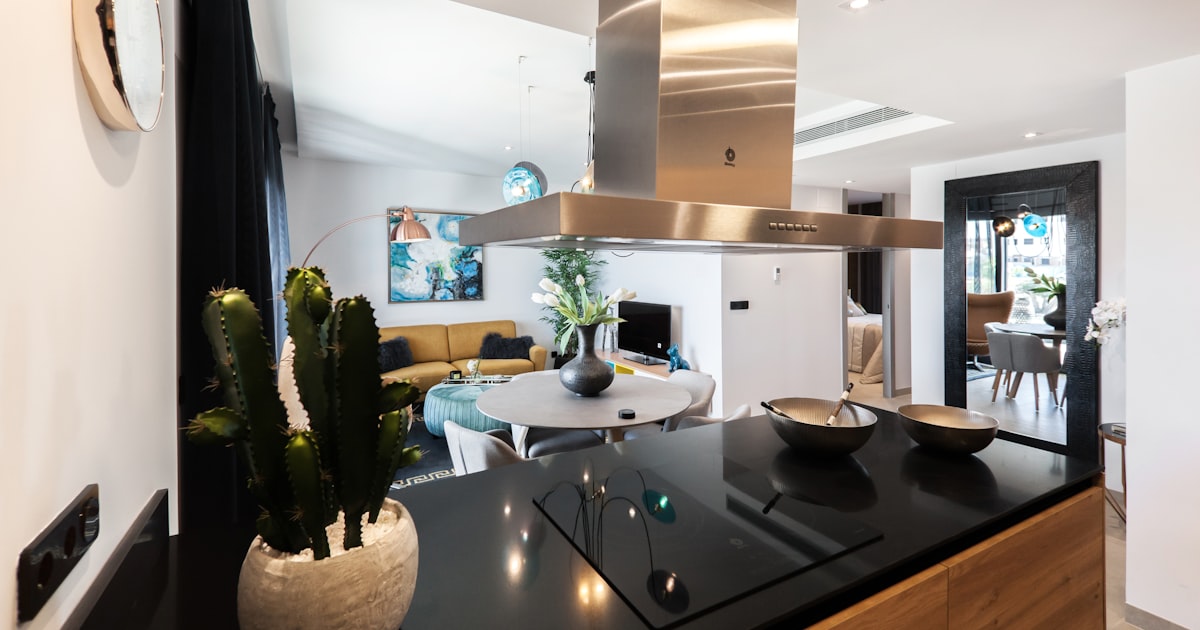
- Modern design: The "rustic Spanish grandmother" aesthetic is out; neutral tones and open-plan living are essential
Tax Implications for Rental Income
Understanding taxation is crucial for calculating net returns. Spain applies different rules for EU/EEA residents versus non-EU residents:
For EU/EEA residents (Dutch, German, Scandinavian buyers):
- Non-Resident Income Tax (IRNR): 19% on net income
- Deductible expenses: Mortgage interest, community fees, IBI property tax, insurance, repairs
- Example: €20,000 gross rental - €8,000 expenses = €12,000 taxable × 19% = €2,280 tax
For non-EU residents (UK buyers post-Brexit):
- IRNR: 24% on gross income
- No expense deductions generally allowed
- Example: €20,000 gross rental × 24% = €4,800 tax
This structural difference significantly impacts bottom-line returns and should influence financing strategies. For detailed guidance, see our Spain Property Tax Guide 2026.
Property Management: Costs and Considerations
Professional property management typically costs 15-20% of rental income plus VAT in Costa Blanca. While self-management increases yield, it's rarely feasible for international owners.
A quality management agency should provide:
- Listing optimization across Airbnb, Booking.com, and VRBO
- Dynamic pricing based on demand and seasonality
- Guest communication and check-in/check-out
- Cleaning and maintenance coordination
- Emergency response and guest support
The difference between professional and amateur management can mean 20-30% variation in annual income. Invest in quality.
Best Property Types for Rental Investment
Not all properties perform equally in the rental market. Based on our experience with 200+ investor clients, here's what works:
Top performers:
- 3-bedroom villas with private pool: Highest demand, €1,500-€4,000/week peak rates
- Beachfront apartments with sea views: Consistent bookings, 70-90% occupancy
- Modern townhouses in walkable locations: Year-round appeal, lower maintenance
Underperformers:
- Large villas (5+ bedrooms) without pool: Limited market, high maintenance
- Apartments in high-rise buildings: Competition with hotels, lower rates
- Rural fincas without beach access: Niche market, seasonal only
Case Study: Realistic Returns in 2026
Let's model a typical investment in Calpe:
Property: 3-bedroom apartment, La Fossa area
Purchase price: €350,000
Additional costs: €42,000 (12% acquisition costs)
Total investment: €392,000
Annual rental income projection:
- Peak season (Jul-Aug): 8 weeks × €1,800/week = €14,400
- High season (May-Jun, Sep): 12 weeks × €1,200/week = €14,400
- Shoulder season (Apr, Oct): 6 weeks × €800/week = €4,800
- Cycling season (Jan-Mar): 8 weeks × €900/week = €7,200
- Off-season (Nov-Dec): 4 weeks × €500/week = €2,000
Total gross rental: €42,800/year
Less management (18%): -€7,704
Less expenses (IBI, community, insurance): -€4,500
Net before tax: €30,596
Gross yield: 7.8%
Net yield (EU resident): Approximately 6.3%
Frequently Asked Questions
What is the average rental yield in Costa Blanca?
Holiday let yields range from 4-9% gross depending on location and property type. Calpe and Benidorm achieve the highest yields (6-9%), while Moraira and Altea offer lower yields (4-7%) but stronger capital appreciation.
Do I need a tourist license to rent my property?
Yes. The Valencian Community requires a Vivienda de Uso Turístico (VUT) license for short-term rentals. Requirements include habitability certificate, insurance, and registration with the regional tourism authority.
How many weeks can I realistically rent my property?
Well-managed properties in prime locations achieve 30-40 weeks of occupancy annually. Calpe leads with year-round demand from cycling tourism; coastal towns typically see 25-35 weeks.
Is long-term or short-term rental more profitable?
Short-term holiday lets typically generate 30-50% higher income than long-term rentals but require more management. Long-term rentals offer stability and lower maintenance costs.
What are the running costs for a rental property?
Annual expenses typically include: IBI property tax (€500-€2,000), community fees (€1,200-€3,600), insurance (€300-€800), utilities (€1,200-€2,400), maintenance (€1,000-€3,000). Total: approximately €4,000-€12,000 depending on property size.
Can I use the property myself and still achieve good returns?
Yes. Many investors reserve 4-8 weeks for personal use during off-peak periods while maintaining strong rental yields. The key is blocking dates strategically - avoid peak season if maximizing income.
How do property management fees work?
Most agencies charge 15-20% of rental income plus VAT (21%). This covers guest communication, check-in/out, cleaning coordination, and maintenance. Some charge additional fees for deep cleaning or emergency callouts.
What happens if Spain's property market crashes?
Costa Blanca North has historically shown resilience during downturns due to its international buyer base and limited supply. During the 2008-2014 crisis, premium areas like Javea and Moraira recovered faster than mass-market destinations.
Are there financing options for investment properties?
Spanish banks offer mortgages to non-residents, typically 60-70% LTV at current rates of 3.5-4.5%. British buyers post-Brexit face stricter requirements. Many investors use equity release from existing properties in their home country.
What is the outlook for Costa Blanca property values in 2026?
Market analysts project 4-7% annual appreciation for Costa Blanca North. Limited new construction, sustained international demand, and stricter rental regulations support continued price growth.
Your Next Steps: Investing with Confidence
The Costa Blanca rental market in 2026 offers compelling opportunities for investors who approach it strategically. Key success factors include:
- Choose location based on your investment goals - yield (Calpe) vs. appreciation (Moraira) vs. balance (Javea)
- Prioritize properties with existing tourist licenses or clear licensing eligibility
- Invest in modern amenities that today's guests expect
- Partner with professional property management from day one
Ready to explore investment opportunities? Browse our current property listings or contact Casa Rica Estate for personalized investment advice tailored to your goals.

Subscribe to our weekly newsletter
Stay ahead with exclusive property insights, market trends, and new listings delivered straight to your inbox every week.