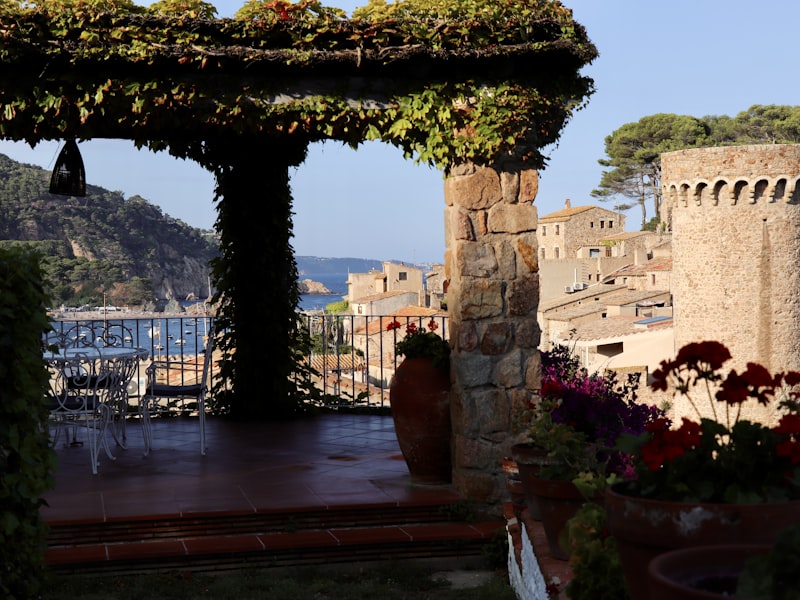

Retire to Spain from USA 2026: Save 50% on Living Costs
Complete 2026 guide for Americans retiring to Spain - visas, healthcare, taxes, cost of living, and best places to live on Costa Blanca.

Why Americans Are Choosing Spain for Retirement in 2026
Spain has become one of the most popular retirement destinations for Americans, and for good reason. With over 300 days of sunshine annually, world-class healthcare at a fraction of US costs, a rich cultural heritage, and a cost of living that stretches your retirement dollars significantly further, the Mediterranean lifestyle offers everything retirees dream of.
According to the US State Department, approximately 75,000 Americans currently live in Spain, with that number growing by 15% annually. The Costa Blanca region, stretching from Denia to Torrevieja along Spain's southeastern coast, has emerged as the premier destination for American retirees seeking the perfect blend of modern amenities, stunning natural beauty, and welcoming expat communities.
In this comprehensive guide, we'll walk you through everything you need to know about retiring to Spain from the USA in 2026 - from visa requirements and healthcare options to tax implications, cost of living, and the best places to call home.
Visa Options for American Retirees in Spain 2026
As a US citizen, you can visit Spain for up to 90 days without a visa. However, if you plan to make Spain your retirement home, you'll need to obtain the appropriate long-term visa. Here are your main options:
Non-Lucrative Visa (Most Common for Retirees)
The Non-Lucrative Visa is the most popular option for American retirees. This visa allows you to live in Spain without working, making it ideal for those living on pension income, Social Security, or investment returns.
Requirements for the Non-Lucrative Visa include:
- Proof of sufficient income - minimum €2,400/month for main applicant plus €600 for each dependent (2026 figures)
- Private health insurance covering all risks in Spain with no co-pays
- Clean criminal background check
- Valid passport with at least one year validity
- Proof of accommodation in Spain (rental contract or property ownership)
The Non-Lucrative Visa is initially granted for one year and can be renewed for two-year periods. After five years of legal residence, you can apply for permanent residency.
Digital Nomad Visa (For Semi-Retired Professionals)
If you plan to continue working remotely or consulting during retirement, Spain's Digital Nomad Visa, introduced in 2023, may be a better fit. This visa allows you to work for non-Spanish companies while living in Spain, with favorable tax treatment (15% flat rate on income up to €600,000 for the first four years).
Retirement Visa Through Property Investment
While Spain's Golden Visa program for property investment ended in April 2025, significant real estate investment can still strengthen your Non-Lucrative Visa application by demonstrating financial stability and commitment to Spain.
Healthcare for American Retirees in Spain
One of the biggest concerns for American retirees is healthcare - and Spain offers excellent news on this front. Spain consistently ranks among the top 10 healthcare systems globally according to the World Health Organization, significantly outperforming the US system in efficiency and accessibility.
Private Health Insurance Requirements
For your visa application, you'll need comprehensive private health insurance. Popular insurers for American expats include:
- Sanitas - offers English-speaking doctors and extensive network
- Adeslas - largest private network in Spain
- ASSSA - specializes in expat coverage with no age limits
- Cigna Global - familiar American company with Spain coverage
Private insurance costs range from €100-€300 per month depending on age and coverage level - dramatically less than equivalent US coverage.
Public Healthcare Access
After becoming a legal resident, you may gain access to Spain's public healthcare system (Sistema Nacional de Salud). If you receive US Social Security and have worked in Spain, you might qualify through bilateral agreements. Many retirees maintain both private and public coverage for maximum flexibility.
Healthcare Quality in Costa Blanca
Costa Blanca boasts excellent healthcare infrastructure. Major hospitals include Hospital Quirónsalud Torrevieja, Hospital IMED Levante in Benidorm, and Hospital Marina Salud in Denia - all with English-speaking staff accustomed to serving international patients. Prescription medications cost 40-80% less than in the US.
Tax Implications: USA and Spain
Understanding taxation is crucial for American retirees. Unlike citizens of most countries, Americans must file US taxes regardless of where they live. However, several provisions help avoid double taxation.
US Tax Obligations
As a US citizen or green card holder, you remain subject to US federal income tax on worldwide income. Key points:
- Foreign Earned Income Exclusion (FEIE) - excludes up to $126,500 of foreign earned income (2026), but doesn't apply to pension/Social Security
- Foreign Tax Credit - claim credit for taxes paid to Spain to offset US liability
- FBAR/FATCA reporting - must report foreign accounts exceeding $10,000
- Social Security - fully taxable in Spain under US-Spain tax treaty
Spanish Tax Obligations
As a tax resident of Spain (183+ days per year), you'll pay Spanish income tax on worldwide income. Spain uses progressive tax rates:
| Income (EUR) | Tax Rate |
|---|---|
| €0 - €12,450 | 19% |
| €12,451 - €20,200 | 24% |
| €20,201 - €35,200 | 30% |
| €35,201 - €60,000 | 37% |
| €60,001 - €300,000 | 45% |
| Over €300,000 | 47% |
US-Spain Tax Treaty Benefits
The US-Spain tax treaty prevents double taxation. Key provisions include:
- US Social Security - taxed only in Spain for Spanish residents
- US pensions - may be taxed in both countries, but Spain provides credit
- US real estate income - taxed in the US, credit available in Spain
- Capital gains - generally taxed in country of residence
Consult with a cross-border tax specialist experienced in US-Spain taxation - this investment typically saves significantly more than it costs.
Cost of Living Comparison: USA vs Costa Blanca
One of the most compelling reasons Americans retire to Costa Blanca is the favorable cost of living. Your retirement income stretches considerably further while often improving your quality of life.
Monthly Living Costs Comparison
| Expense Category | USA (Average) | Costa Blanca | Savings |
|---|---|---|---|
| Housing (2BR apartment) | $1,800 | €700-€1,000 | 45-60% |
| Utilities | $200 | €80-€120 | 40-60% |
| Healthcare (insurance) | $800-$1,500 | €100-€300 | 80-90% |
| Groceries | $600 | €300-€400 | 35-50% |
| Dining out | $500 | €200-€300 | 50-60% |
| Transportation | $600 | €150-€250 | 60-75% |
| Total Monthly | $4,500-$5,200 | €1,530-€2,370 | 50-65% |
A comfortable retirement lifestyle on Costa Blanca typically costs €2,000-€3,000 per month for a couple, compared to $5,000-$7,000 for equivalent quality in many US cities.
Real Estate Prices
Property prices on Costa Blanca offer exceptional value compared to comparable US coastal locations:
- Modern 2-bedroom apartment with sea views: €200,000-€350,000
- 3-bedroom villa with pool: €350,000-€600,000
- Luxury beachfront villa: €800,000-€2,500,000
For comparison, similar properties in Florida or California coastal areas typically cost 2-3 times more.
Best Places for American Retirees on Costa Blanca
Costa Blanca offers diverse towns, each with unique character. Here are the top choices for American retirees:
Altea - The Artists' Town
Altea combines traditional Spanish charm with international sophistication. Its whitewashed old town, cultural scene, and upscale restaurants attract discerning retirees seeking authenticity without sacrificing comfort. English is widely spoken, and the established expat community welcomes newcomers warmly. Property prices range from €300,000 for apartments to €2,500,000+ for premium villas. Learn more in our Altea Property Guide.
Javea (Xàbia) - The Sophisticated Choice
Javea offers perhaps the most American-friendly environment on Costa Blanca. Three distinct areas - the historic old town, the port, and the Arenal beach zone - provide options for every lifestyle. The large British and Northern European expat community means excellent English-language services, while the town maintains authentic Spanish character. See our Javea Property Guide 2026.
Moraira - Exclusive and Peaceful
For retirees seeking tranquility and exclusivity, Moraira delivers. This upscale fishing village offers luxury living in a relaxed atmosphere. High-quality restaurants, beautiful coves, and a tight-knit international community make it ideal for those who prioritize quality over nightlife. Property tends toward the higher end, with villas from €500,000 to several million euros. Explore options in our Moraira Property Guide 2026.
Calpe - The Iconic Landmark
Dominated by the dramatic Peñón de Ifach rock formation, Calpe offers excellent value with modern infrastructure. Two beautiful beaches, diverse restaurants, and good healthcare facilities make it practical for retirees. The mix of Spanish, British, and German residents creates a multicultural atmosphere. Properties start from €200,000 for apartments. Check our Calpe Property Guide 2026.
Denia - Gateway to the Balearics
As a ferry hub to Ibiza and Mallorca, Denia attracts active retirees who enjoy travel. The town offers excellent gastronomy (UNESCO Creative City of Gastronomy), a long sandy beach, and vibrant local life. The Montgó Natural Park provides hiking opportunities. Read more in our Denia Property Guide 2026.
The Buying Process for Americans
Purchasing property in Spain as an American is straightforward but requires understanding local procedures. Here's the step-by-step process:
Step 1: Obtain Your NIE
The NIE (Número de Identificación de Extranjero) is your Spanish tax identification number. Required for any financial transaction in Spain, you can apply at Spanish consulates in the US or in Spain. Processing typically takes 2-4 weeks. Our NIE Guide 2026 provides detailed instructions.
Step 2: Open a Spanish Bank Account
You'll need a Spanish bank account for property purchase and ongoing expenses. Major banks like Sabadell, CaixaBank, and BBVA have English-speaking staff and expat services. Required documents include your NIE, passport, and proof of income/funds.
Step 3: Property Search and Due Diligence
Work with a reputable real estate agency experienced with American clients. At Casa Rica Estate, we guide clients through the entire process, handling legal checks, negotiations, and paperwork. Key due diligence includes:
- Nota Simple - property registry extract confirming ownership and charges
- Energy certificate - required for all property sales
- Building permits and licenses - essential for villas and new builds
- Community fees and regulations - for apartment purchases
Step 4: Make an Offer and Sign Reservation Contract
Once you find your property, you'll make an offer and sign a reservation contract (contrato de reserva) with a deposit of €3,000-€10,000 to take the property off the market.
Step 5: Private Purchase Contract (Contrato de Arras)
The formal purchase contract typically involves a 10% deposit. This contract binds both parties - if the buyer withdraws, they lose the deposit; if the seller withdraws, they must return double the deposit.
Step 6: Completion at Notary
The final signing (escritura) occurs at a Spanish notary. You'll pay the remaining balance, and the notary will register the transfer with the Land Registry. Budget 10-13% above the purchase price for taxes, notary fees, and legal costs.
For complete details, see our How to Buy Property in Spain 2026 guide.
Practical Considerations for Daily Life
Language
While you can manage with English in tourist areas and expat communities, learning Spanish enriches your experience enormously. Many towns offer free or low-cost Spanish classes for residents. The Valencia region also has Valenciano (Catalan dialect), though Spanish (Castellano) is universally understood.
Driving
Your US driver's license is valid for the first six months. After establishing residency, you'll need to exchange it for a Spanish license through a relatively simple process (no driving test required for US license holders in most cases). Car ownership is practical on Costa Blanca, though many towns are walkable and public transport connects major areas.
Banking and Money
Consider maintaining both US and Spanish bank accounts. Services like Wise (formerly TransferWise) offer excellent exchange rates for transferring retirement income to Spain. Notify your US banks of your move to avoid card blocks when using accounts from Spain.
Social Life and Community
Costa Blanca has well-established expat communities with clubs, activities, and social groups. Americans often join:
- American Women's Club of Costa Blanca
- Lions and Rotary Clubs (international branches)
- Golf clubs - Costa Blanca has 20+ courses
- Walking and hiking groups
- Art and cultural associations
Frequently Asked Questions
Can I collect Social Security while living in Spain?
Yes. US Social Security payments continue without interruption while living abroad. You can receive payments via direct deposit to a US or Spanish bank account. Under the US-Spain tax treaty, Social Security income is taxed only in Spain for Spanish tax residents.
Do I need to give up my US citizenship to retire in Spain?
Absolutely not. You can maintain US citizenship indefinitely while living in Spain on a Non-Lucrative Visa or other long-term visa. After 10 years of legal residence, you can apply for Spanish citizenship, which Spain permits alongside US citizenship (dual nationality).
What is the minimum income required for a retirement visa?
For the Non-Lucrative Visa in 2026, you need to demonstrate approximately €2,400 per month (€28,800 annually) for the main applicant, plus €600 per month for each dependent. This can come from Social Security, pensions, investments, or savings.
Is Spain safe for American retirees?
Spain is very safe. It consistently ranks among the safest countries in Europe, with significantly lower violent crime rates than the US. Costa Blanca is particularly safe, with most crime being petty theft in tourist areas - easily avoided with normal precautions.
Can I bring my pet to Spain?
Yes. Dogs and cats need a microchip, rabies vaccination (at least 21 days before travel), and a veterinary health certificate. Spain is very pet-friendly, with many restaurants, beaches (seasonal), and parks welcoming animals.
How good is internet connectivity in Costa Blanca?
Excellent. Fiber-optic internet is widely available, with speeds of 300 Mbps to 1 Gbps common and affordable (€30-€50/month). Mobile coverage is comprehensive, and many public areas offer free WiFi.
What happens to my US Medicare in Spain?
Medicare does not cover healthcare expenses outside the US. You'll need private health insurance in Spain. Many retirees maintain Medicare Part A (hospital insurance) for visits back to the US, while suspending Part B to avoid premiums. Consult with a Medicare specialist before moving.
Can my family visit me easily?
Yes. Direct flights connect Alicante (Costa Blanca's main airport) with major US cities, with connections through Madrid, London, and other European hubs. Flight times from the East Coast are approximately 8-9 hours. Alicante airport is modern and easy to navigate.
Next Steps: Your Path to Spanish Retirement
Retiring to Spain from the USA is an achievable dream that thousands of Americans realize each year. The combination of excellent quality of life, favorable costs, world-class healthcare, and welcoming communities makes Costa Blanca an ideal destination.
Ready to explore your options? Contact Casa Rica Estate for personalized guidance on finding your perfect retirement property on Costa Blanca. Our team specializes in helping American clients navigate the Spanish real estate market, from initial search through purchase completion and beyond.
View our current property listings or read our comprehensive Buying Property in Spain for Americans 2026 guide for more detailed information on the purchase process.

Subscribe to our weekly newsletter
Stay ahead with exclusive property insights, market trends, and new listings delivered straight to your inbox every week.