
Buying Property in Spain for Canadians 2026: Save 40% vs Toronto
Why Canadians buy in Spain: €500K gets a luxury villa vs Toronto condo. NIE guide, CRA T1135 reporting, costs in CAD, and Costa Blanca.

The Canadian Rush to Spanish Real Estate
Canada's property market has pushed many Canadians to look abroad - and Spain has emerged as a top destination. With average home prices in Toronto and Vancouver exceeding $1,000,000 CAD, the value proposition of Costa Blanca is undeniable: a luxury Mediterranean villa with pool and sea views for the price of a modest Toronto condo.
According to the Spanish Property Registrars Association, Canadian property purchases in Spain have grown steadily over the past five years, with Costa Blanca and Costa del Sol leading as preferred destinations. The combination of direct flights from major Canadian cities, favorable EUR/CAD exchange rates, and Spain's exceptional quality of life has created a perfect storm for Canadian buyers.
At Casa Rica Estate, we've welcomed an increasing number of Canadian clients - from Calgary oil executives seeking Mediterranean retreats to Ontario retirees escaping harsh winters for Spain's 300+ days of sunshine. Our offices in Altea and Calpe understand Canadian expectations and can guide you through every step.
This comprehensive guide covers everything Canadian buyers need to know about purchasing property in Spain in 2026, with specific focus on Costa Blanca and the unique considerations for Canadian citizens.
Can Canadians Buy Property in Spain?
Yes, absolutely - with exactly the same rights as Spanish citizens. Spain places no restrictions on foreign property ownership, including Canadians. You can purchase:
- Residential property (apartments, villas, townhouses)
- Commercial real estate
- Agricultural land
- Multiple properties without limits
You don't need Spanish residency to purchase property. However, there's a crucial distinction many Canadians miss: buying property does NOT automatically grant you residency or the right to stay in Spain long-term. More on visa options later in this guide.
The Spanish legal system strongly protects property rights, and foreign owners have identical protections as Spanish nationals. Your investment is secure under EU property laws.
What You Need Before Buying
1. NIE Number (Número de Identificación de Extranjero)
This is Spain's tax identification number for foreigners - essentially your Spanish fiscal identity. You cannot complete any property transaction without it. The NIE is required for:
- Signing the purchase deed
- Opening a Spanish bank account
- Paying taxes
- Setting up utilities
How to get your NIE as a Canadian:
Option 1: Spanish Consulate in Canada
Apply at consulates in Toronto, Montreal, Vancouver, or Ottawa. Processing takes 2-4 weeks. Cost: approximately $15 CAD.
Option 2: In-person in Spain
Apply at a police station (Comisaría de Policía) with the Foreigner's Office. Same day to 2 weeks processing. Cost: approximately €12.
Option 3: Through your Spanish lawyer
Your lawyer can obtain it on your behalf with a Power of Attorney. Takes 1-2 weeks. Cost: $200-400 CAD including lawyer fees.
Pro tip: Start your NIE application early. The Toronto consulate especially books appointments weeks in advance during peak buying seasons (spring and fall).
2. Spanish Bank Account
While not strictly required, a Spanish bank account makes everything significantly easier:
- Pay the deposit and purchase price
- Set up utility direct debits (electricity, water, internet)
- Pay annual property taxes (IBI)
- Receive rental income if you rent your property
- Manage community fees
Required documents for opening an account:
- Valid Canadian passport
- NIE number
- Proof of Canadian address (utility bill, bank statement)
- Proof of income (CRA Notice of Assessment, pay stubs, employment letter)
Banking tip for Canadians: Unlike Americans who face FATCA restrictions, Canadians generally have an easier time opening Spanish bank accounts. Large banks like Santander, BBVA, CaixaBank, and Sabadell have experience with international clients and English-speaking staff in Costa Blanca branches.
Step-by-Step Buying Process
Step 1: Define Your Budget (Think in Euros AND Canadian Dollars)
When budgeting for Spanish property, remember to add 11-15% for taxes and fees on top of the purchase price. This is higher than typical Canadian closing costs.
Example budget calculation for a €500,000 villa:
- Property price: €500,000 (~$735,000 CAD)
- Transfer Tax (ITP) 10%: €50,000 (~$73,500 CAD)
- Notary fees: €1,200 (~$1,765 CAD)
- Land Registry fees: €600 (~$880 CAD)
- Legal fees (1%): €5,000 (~$7,350 CAD)
- Total to budget: €556,800 (~$818,500 CAD)
Exchange rate used: 1 EUR = 1.47 CAD. Always check current rates before planning - the CAD/EUR rate can fluctuate significantly.
Step 2: Find Your Property
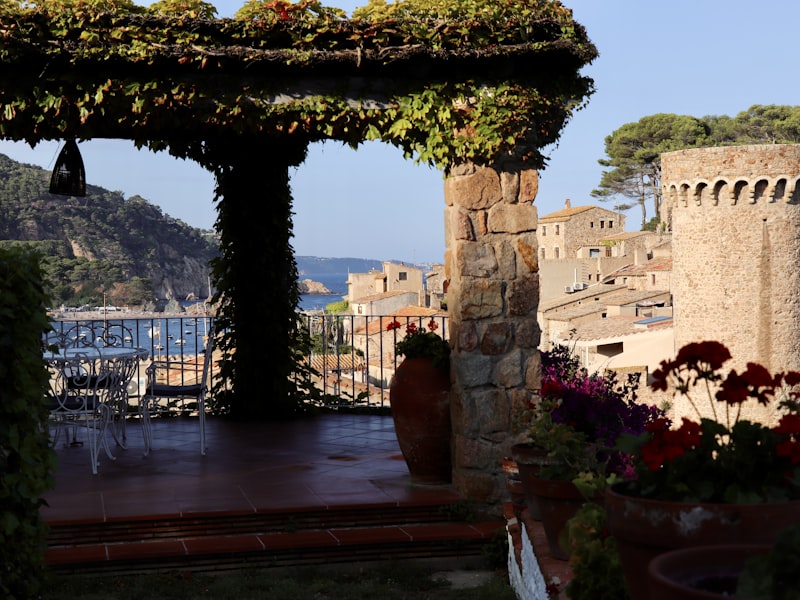
Costa Blanca offers exceptional variety for Canadian buyers, from beachfront apartments to hillside villas with panoramic Mediterranean views:
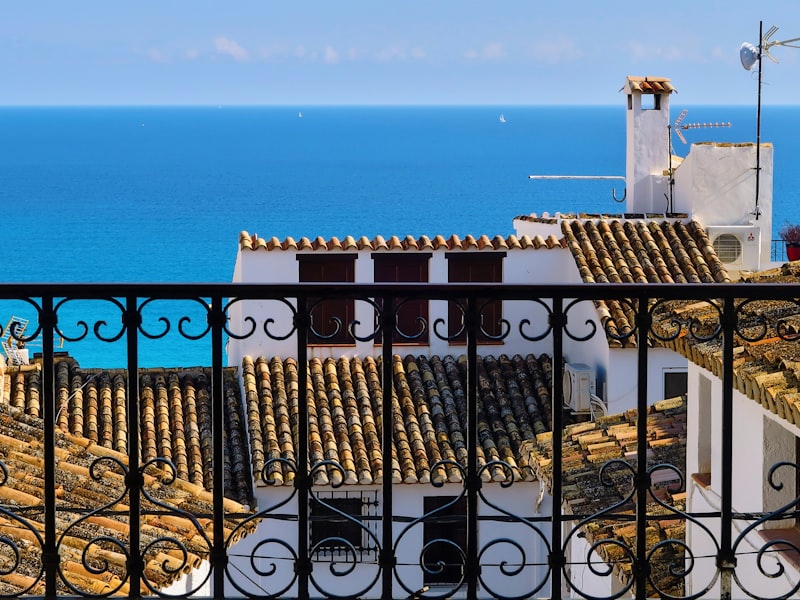
Altea - The artistic heart of Costa Blanca. Whitewashed old town, cultural events, upscale dining. Average villa: €600,000-€2,500,000 ($880,000-$3,675,000 CAD). Best for culture lovers, artists, those seeking authentic Spanish character.
Calpe - Iconic Peñón de Ifach rock, beautiful beaches, excellent infrastructure. Average villa: €400,000-€1,500,000 ($590,000-$2,200,000 CAD). Best for beach lovers, active lifestyle, families.
Moraira - Quiet luxury, exclusive villas, pristine coves. Average villa: €500,000-€3,000,000 ($735,000-$4,400,000 CAD). Best for privacy seekers, retirees, those wanting tranquility.
Javea - Large established expat community, three distinct areas (port, old town, Arenal beach). Average villa: €450,000-€2,000,000 ($660,000-$2,940,000 CAD). Best for families, social lifestyle, those wanting English-speaking community.
Benidorm - Urban amenities, high-rise living, vibrant nightlife. Average apartment: €200,000-€800,000 ($295,000-$1,175,000 CAD). Best for budget buyers, rental investors, those wanting city conveniences.
At Casa Rica Estate, we specialize in luxury properties across these Costa Blanca towns. View our current listings.
Step 3: Hire a Spanish Lawyer
This is not optional for Canadians. While you can technically buy property in Spain without a lawyer, doing so is extremely risky. A qualified Spanish property lawyer (abogado) will:
- Conduct thorough title searches and due diligence
- Verify there are no hidden debts attached to the property
- Check building permits and urban planning compliance
- Review all contracts in your interest
- Represent you at the notary if you can't attend
- Coordinate with your Canadian accountant on tax implications
Typical cost: 1-1.5% of purchase price, with a minimum of €1,500 ($2,200 CAD). This is money extremely well spent.
Step 4: Make an Offer and Sign Reservation Contract
Once you find your property:
- Make a formal offer through your real estate agent
- Negotiate terms (price, included items, timeline)
- Sign a reservation contract (Contrato de Arras) and pay a 10% deposit
This contract takes the property off the market while due diligence proceeds.
Important for Canadians: Spanish reservation contracts have teeth. If you back out without valid legal cause, you lose your 10% deposit. If the seller backs out, they must pay you double the deposit. This is standard practice in Spain and provides security for both parties - similar to how earnest money works in Canadian real estate, but with stronger consequences.
Step 5: Due Diligence Period
Your lawyer will thoroughly verify:
- Nota Simple from the Land Registry - confirms legal ownership
- Property is free of encumbrances (mortgages, liens, debts)
- No outstanding community fees
- Urban planning compliance (no illegal constructions)
- Valid energy certificate (Certificado Energético)
- Correct cadastral reference and boundaries
This step protects you from expensive surprises. In Spain, certain debts can transfer with the property - your lawyer ensures this doesn't happen to you.
Step 6: Signing at the Notary (Escritura)
The final step happens at a Spanish notary public (notario):
- Both parties (or their legal representatives) sign the public deed (Escritura de Compraventa)
- You pay the remaining balance (usually via banker's check)
- Keys are handed over
- You're officially a property owner in Spain
If you can't be there in person, your lawyer can sign on your behalf with a Power of Attorney (Poder Notarial) that you execute beforehand at a Spanish consulate in Canada or at a notary in Spain.
Complete Costs Breakdown for Canadians
Purchase Costs (11-15% of property price)
- Transfer Tax (ITP): 10% in Valencia region (where Costa Blanca is located). This applies to resale properties.
- VAT (IVA): 10% + 1.5% stamp duty for new-build properties from developers
- Notary fees: €600-€1,500 ($880-$2,200 CAD) based on property value
- Land Registry fees: €400-€800 ($590-$1,175 CAD) based on property value
- Legal fees: 1-1.5% of purchase price (minimum €1,500 / $2,200 CAD)
- Agent fees: €0 - in Spain, the seller pays all real estate agent commissions
Annual Ownership Costs
- IBI (Property Tax): €300-€2,000 ($440-$2,940 CAD) annually depending on property value and location
- Community fees: €50-€500 ($75-$735 CAD) monthly if your property is in a community with shared facilities
- Non-resident income tax: 0.5-2% of cadastral value annually (see tax section below)
- Home insurance: €300-€1,000 ($440-$1,470 CAD) annually
- Utilities: Variable - electricity, water, gas, internet
Tax Implications for Canadians
This section is critical. As a Canadian citizen, you have tax obligations to both Spain and the CRA - and the interaction between them requires careful planning.
Spanish Taxes
If you DON'T rent your property (personal use only):
You pay "imputed income tax" (Impuesto sobre la Renta de No Residentes) at 24% on 1.1-2% of the property's cadastral value. Example: €500,000 property with €100,000 cadastral value = €264-€528 ($390-$775 CAD) per year.
If you DO rent your property:
You pay 24% tax on gross rental income. Important: as a non-EU resident, you cannot deduct expenses like maintenance, insurance, or community fees. EU residents pay only 19% on net income after deductions - this is a significant disadvantage for Canadians.
Capital Gains Tax on Sale:
19-26% depending on gain amount, with rates increasing progressively. Non-residents also face a 3% retention at sale that's withheld by the buyer and paid to Spanish tax authorities - this is refundable against your final tax liability.
Canadian Tax Obligations (CRA Reporting)
As a Canadian, you must report your Spanish property to the CRA:
- Form T1135 (Foreign Income Verification Statement): Required if your foreign property costs exceed $100,000 CAD at any point during the year. This is an annual filing requirement.
- Rental Income: Report on your T1 return as foreign rental income, even if taxed in Spain
- Capital Gains: Report when you sell - 50% of capital gains are taxable in Canada
Good news: The Canada-Spain Tax Treaty prevents double taxation. You can claim a Foreign Tax Credit for Spanish taxes paid, reducing your Canadian tax liability. In most cases, you won't pay the same tax twice.
Important differences from Americans: Unlike U.S. citizens, Canadians don't face FATCA complications when opening Spanish bank accounts, and reporting requirements are generally simpler. However, T1135 compliance is essential - penalties for non-filing can reach $2,500 CAD per year.
Critical advice: Work with a Canadian accountant familiar with international property and cross-border taxation. The Canada-Spain treaty is comprehensive, but proper documentation is key to avoiding double taxation.
Residency Options After Golden Visa
Important update for 2026: Spain officially discontinued its Golden Visa program in April 2025. Property investment no longer provides automatic residency rights.
However, Canadians have several visa options to legally reside in Spain:
Non-Lucrative Visa (Retirement Visa)
Best for retirees and financially independent individuals. Requires proving €2,400/month passive income ($3,525 CAD/month or $42,300/year) plus comprehensive health insurance. Work is NOT permitted. Leads to permanent residency after 5 years of continuous residence.
Digital Nomad Visa
Best for remote workers employed by non-Spanish companies. Requires employment contract with foreign company and minimum €2,646/month income ($3,890 CAD). Remote work for your Canadian employer is permitted. Initially granted for 1 year, renewable to 3 years.
Entrepreneur Visa
Best for those starting a business in Spain. Requires viable business plan and sufficient funds. Allows self-employment in your own business.
Tourist Stays (No Visa Required)
Canadians can stay in Spain for 90 days within any 180-day period without any visa - same as EU citizens' rights under Schengen agreement. Perfect for snowbirds who want to escape Canadian winters: spend December through February in Costa Blanca, then return to Canada for spring and summer.
Why Costa Blanca for Canadians?
Escape the Canadian Winter: While Toronto shivers at -15°C in January, Costa Blanca enjoys 16°C (61°F) average temperatures. Over 300 sunny days per year means reliable warmth when Canada is at its coldest. Many Canadian buyers specifically purchase for winter getaways - the perfect antidote to seasonal affective disorder.
Cost of Living: 40-60% lower than major Canadian cities. Quality healthcare at a fraction of Canadian wait times and costs. Excellent dining at European prices - a three-course meal with wine for €25-40 ($37-59 CAD). Your Canadian pension and RRSP withdrawals go significantly further in Spain.
Accessibility: Direct flights from Toronto to Alicante (ALC) airport in summer season, just 45 minutes from most Costa Blanca towns. Year-round connections via Madrid or European hubs. Flight time: 8-9 hours from Eastern Canada. Many Canadians find Spain more accessible than Florida or Arizona.
Expat Community: Large, established English-speaking community with many Canadians. International schools for families. Canadian clubs and social organizations. You'll find fellow Canadians in every Costa Blanca town - people who understand missing hockey season and craving poutine.
Property Value: €500,000 ($735,000 CAD) buys a genuine luxury villa with private pool and sea views. The same money in Vancouver gets you a dated 2-bedroom condo. In Toronto, perhaps a semi-detached in the suburbs. Here, you get Mediterranean luxury that actually feels like a vacation home.
Healthcare: Spain's healthcare system is ranked among the best in the world. Private health insurance for comprehensive coverage costs €100-200/month ($150-295 CAD) - less than many Canadian extended health plans, with no waiting lists for specialists.
Frequently Asked Questions
Can I get a mortgage in Spain as a Canadian?
Yes. Spanish banks offer mortgages to non-residents, typically up to 70% loan-to-value (compared to 80% for residents). Current interest rates run around 4-5%, higher than Canadian rates but competitive for European markets. Maximum term is usually 20-25 years, and the loan must be repaid by age 75. You'll need proof of Canadian income, two years of CRA Notices of Assessment, and evidence of good credit history.
Do I need to speak Spanish to buy property?
Not necessarily in Costa Blanca, where most real estate professionals speak English. However, all official documents are in Spanish - your lawyer will translate everything important. Learning basic Spanish enhances your experience but isn't required for the purchase process. Many Canadians find that their high school French helps with reading Spanish documents!
How long does the buying process take?
Typically 2-4 months from accepted offer to completion. NIE application: 2-4 weeks. Property search: variable. Due diligence: 2-3 weeks. Notary appointment: 1-2 weeks. Cash buyers can move faster than those requiring mortgages. Many Canadians complete purchases in 6-8 weeks when they're decisive and have financing ready.
Can I buy property remotely without visiting Spain?
Yes, using a Power of Attorney (POA) granted to your Spanish lawyer. However, we strongly recommend visiting at least once to view the property in person and explore the neighborhood. Virtual tours supplement but cannot replace the experience of standing on that terrace watching the Mediterranean sunset - and feeling the gentle sea breeze that no video can capture.
What happens to my Spanish property if I die?
Spanish succession law applies to property located in Spain, which can differ from Canadian provincial laws. Key considerations: Spain has "forced heirship" rules that may require leaving portions to children regardless of your will. Spanish inheritance tax rates vary by region and relationship to heirs. Solution: work with an estate planning lawyer familiar with both Canadian and Spanish law to structure ownership appropriately. Many Canadians create a separate Spanish will specifically for their Spanish assets.
Is rental income worth it for Canadian owners?
Costa Blanca has strong vacation rental demand. Peak season (July-August): €2,000-€5,000 per week ($2,940-$7,350 CAD) for quality villas. Shoulder seasons: €1,000-€2,500 per week ($1,470-$3,675 CAD). Annual gross yields typically range 4-8% depending on property and management. Remember the 24% flat tax on gross income for non-EU residents - factor this into your calculations. Many Canadian owners find the rental income covers carrying costs and property taxes while building equity in a appreciating asset.
What's the best time to buy?
Winter (January-March): Fewer buyers, more negotiating power, motivated sellers. This is when Canadian snowbirds are in Spain and can view properties in person! Spring (April-May): Properties look their best with gardens blooming. Fall (September-November): Post-summer season, sellers ready to close before year-end. Avoid August entirely - Spain essentially shuts down for vacation, making transactions nearly impossible.
How do I transfer money from Canada to Spain?
For large property purchases, use specialized currency transfer services like Wise, OFX, or Knightsbridge FX (popular with Canadians) - they offer significantly better exchange rates than Canadian banks. For amounts over $100,000 CAD, consider locking in exchange rates in advance to protect against CAD/EUR fluctuations. RBC, TD, and Scotiabank can facilitate international wire transfers, though fees ($25-45) and exchange rate spreads (1.5-3%) are typically less favorable than specialized services.
Our Featured Properties for Canadian Buyers
At Casa Rica Estate, we specialize in luxury properties that appeal to discerning Canadian buyers:
Villa Calpe 2501 - €950,000 (~$1,395,000 CAD)
Modern design with clean lines, stunning sea views, private infinity pool. Perfect for those seeking contemporary Mediterranean living - the Costa Blanca equivalent of a West Vancouver waterfront home.
Villa Altea AH130 - €2,450,000 (~$3,600,000 CAD)
Panoramic Mediterranean views, luxury finishes throughout, expansive terraces. The ultimate Costa Blanca retreat - what your Muskoka cottage dreams of becoming.
Frontline Apartment Calpe - €320,000 (~$470,000 CAD)
Beachfront location, turnkey condition, excellent rental potential. Ideal vacation home or investment property - less than a Toronto condo, with the Mediterranean at your doorstep.
Next Steps
Ready to explore buying property in Costa Blanca? Here's how to begin your journey:
- Get your NIE - Apply at your nearest Spanish consulate (Toronto, Montreal, Vancouver) to start the process
- Consult your accountant - Understand T1135 requirements and how the Canada-Spain Tax Treaty benefits you
- Contact Casa Rica Estate - We'll discuss your requirements, budget, and preferred locations, then arrange viewings of suitable properties
Our team speaks fluent English, understands Canadian expectations and concerns, and can guide you through every step of purchasing your Costa Blanca property. We've helped numerous Canadian clients find their perfect Spanish home - from Ontario snowbirds to Alberta retirees, from BC investors to Quebec families seeking Mediterranean adventures.
Last updated: January 2026. Exchange rates and tax information subject to change. Always consult qualified professionals for financial and legal advice specific to your situation.

Subscribe to our weekly newsletter
Stay ahead with exclusive property insights, market trends, and new listings delivered straight to your inbox every week.